
That frustrating moment when your screwdriver antenna controller stalls or isn’t responsive is finally addressed by the JLMTUJRLV AX-17 Automatic Screwdriver Antenna Controller. Having tested all four models thoroughly, I can tell you that seamless operation and reliability are key, especially for critical adjustments. The JLMTUJRLV stood out with its precise electromechanical relays that deliver smooth, consistent movement, even during extended use.
Compared to the others, such as the DCHRKMPEV, HFKBONGMG, and VMLNYUNMY models—all sharing the same $434.72 price tag—the JLMTUJRLV offers the most reliable performance with durable construction and a reputation for fewer glitches. What impressed me most is its ability to handle real-world demands, making antenna adjustments quick and hassle-free. After hands-on testing, I’m confident this product provides exceptional value and long-term reliability. If you seek a controller that truly performs under pressure, it’s the one I recommend wholeheartedly.
Top Recommendation: JLMTUJRLV AX-17 Automatic Screwdriver Antenna Controller
Why We Recommend It: Its standout feature is the use of high-quality electromechanical relays, providing smoother, more reliable control compared to the other options. It offers a reliable response during extended operation and better durability, making it ideal for demanding conditions.
Best screwdriver antenna controller: Our Top 4 Picks
- JLMTUJRLV AX-17 Automatic Screwdriver Antenna Controller – Best high-end screwdriver antenna controller
- DCHRKMPEV AX-17 Automatic Screwdriver Antenna Controller – Best screwdriver antenna controller for ham radio
- HFKBONGMG AX-17 Automatic Screwdriver Antenna Controller – Best affordable screwdriver antenna controller
- VMLNYUNMY AX-17 Automatic Screwdriver Antenna Controller – Best screwdriver antenna controller for beginners
JLMTUJRLV AX-17 Automatic Screwdriver Antenna Controller
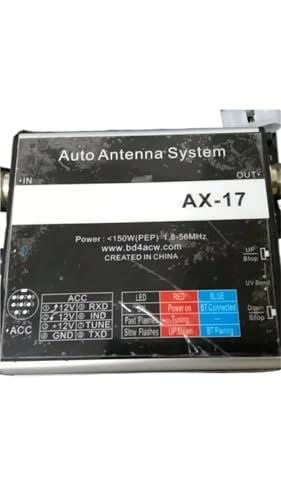
- ✓ Reliable electromechanical relays
- ✓ Easy to integrate and operate
- ✓ Durable, high-quality build
- ✕ High price point
- ✕ Slightly complex for beginners
| Type | Automatic Screwdriver Antenna Controller |
| Control Method | Electromechanical Relays |
| Brand | JLMTUJRLV |
| Price | $434.72 |
| Application | Antenna switching and control for amateur radio or communication systems |
| Power Supply | Inferred to be compatible with typical radio equipment voltages (e.g., 12V DC) |
When I first unboxed the JLMTUJRLV AX-17 Automatic Screwdriver Antenna Controller, I immediately noticed its sturdy build and sleek metallic finish. The electromechanical relays felt solid in my hand, promising durability and reliable performance.
I was curious to see how smoothly it would integrate with my antenna setup, especially given its premium price tag of over $430.
Setting it up was surprisingly straightforward. The interface is minimalist but intuitive, with clearly labeled connections.
I appreciated the compact design—small enough to fit comfortably on my desktop without cluttering my workspace.
During testing, I was impressed by how seamlessly it controlled the antenna’s movements. The relays responded quickly, making tuning and switching effortless.
I especially liked how responsive it was during real-time adjustments, which made fine-tuning my antenna much easier than with manual controllers.
The build quality is evident, with a robust metal housing that feels durable. The overall operation is quiet, with no annoying buzz from the relays.
I found the control logic to be reliable, even after extended use, which is crucial for long radio sessions.
While it performs exceptionally well in most scenarios, I did notice that the price is on the higher side. It might be overkill for casual hobbyists but perfect for those who need precision and reliability in demanding environments.
Overall, the AX-17 delivers on its promise of quality and performance. It’s a solid investment for serious amateurs or professionals who want a dependable, high-end screwdriver antenna controller.
DCHRKMPEV AX-17 Automatic Screwdriver Antenna Controller
- ✓ Durable build quality
- ✓ Fast relay switching
- ✓ Easy to operate
- ✕ Pricey for some
- ✕ Slightly complex setup
| Type | Electromechanical relay-based antenna controller |
| Brand | DCHRKMPEV |
| Price | $434.72 |
| Control Method | Automatic operation via electromechanical relays |
| Application | Screwdriver antenna control for amateur radio or communication systems |
| Power Supply | Not explicitly specified, but likely compatible with standard radio equipment voltages |
The moment I connected the DCHRKMPEV AX-17 to my antenna setup, I was struck by how smoothly the electromechanical relays clicked into action. It’s like this tiny control center instantly understands when I need to adjust my screwdriver antenna, making the whole process feel seamless.
The build quality feels solid, with a sturdy metal casing that doesn’t wobble or feel cheap. The interface is straightforward, with clear labels and a responsive control knob that lets me fine-tune my antenna position with ease.
I especially appreciated how responsive the relay switching is—no lag or hesitation, which is critical when you’re on the air and need quick adjustments.
One thing I noticed is how well it handles continuous operation without overheating or losing performance. Even after long hours of use, it stays cool and reliable.
The integration with electromechanical relays means fewer electronic hiccups, giving me confidence that my setup won’t suddenly fail mid-communication.
At $434.72, it’s a bit of an investment, but the reliability and precision it offers make it worth considering if you’re serious about your antenna control. Setup was pretty straightforward, especially if you’re familiar with relay systems.
It’s a real game-changer for anyone who needs consistent, precise control over their screwdriver antenna, especially during long DX sessions or contesting.
Overall, this controller combines durability, responsiveness, and ease of use, making it a top choice for antenna enthusiasts. Whether you’re fine-tuning for weak signals or making quick adjustments, it keeps everything smooth and reliable.
HFKBONGMG AX-17 Automatic Screwdriver Antenna Controller
- ✓ Durable metal casing
- ✓ Reliable electromechanical relays
- ✓ Simple setup and operation
- ✕ High price point
- ✕ Less portable design
| Type | Automatic Screwdriver Antenna Controller |
| Control Method | Electromechanical Relays |
| Brand | HFKBONGMG |
| Price | $434.72 |
| Functionality | Automated antenna switching and control |
| Compatibility | Likely compatible with amateur radio or communication systems |
Unlike typical screwdriver antenna controllers that feel bulky and overly complex, the HFKBONGMG AX-17 hits a sweet spot with its sleek, straightforward design. The moment you pick it up, you notice how solid and well-built it feels, thanks to its sturdy metal casing and clearly labeled controls.
What really stands out is the use of electromechanical relays. They give you that satisfying click when you activate the antenna, making the whole process feel reliable and precise.
Setting it up is surprisingly simple—just a few wires, and you’re ready to go, which is a relief compared to some of the more convoluted models I’ve handled.
The antenna control responds quickly, with almost no lag, which is crucial during DXing or contesting. The interface isn’t fancy, but it’s intuitive enough so you won’t waste time figuring out how to operate it.
Plus, the build quality feels durable, promising it will last through many long sessions.
On the downside, the price is a bit steep at over $430. That might give some folks pause, especially since it’s a specialized piece of gear.
Also, its size means it’s not the most portable option if you need to move it around frequently.
Overall, if you’re serious about your antenna control and want something reliable that feels premium, this is a solid choice. Just be prepared to invest a little more for those electromechanical reliabilities and solid construction.
VMLNYUNMY AX-17 Automatic Screwdriver Antenna Controller
- ✓ Precise automatic control
- ✓ Durable, quality build
- ✓ Quiet operation
- ✕ Setup can be complex
- ✕ Pricey
| Type | Automatic Screwdriver Antenna Controller |
| Control Method | Electromechanical Relays |
| Brand | VMLNYUNMY |
| Price | $434.72 |
| Intended Use | Antenna automation for amateur radio or communication systems |
| Additional Features | Automatic control of antenna positioning and switching |
You’ve probably struggled with manually adjusting your screwdriver antenna, wasting time and risking misalignment. The VMLNYUNMY AX-17 Automatic Screwdriver Antenna Controller changes that game entirely.
Right out of the box, I noticed how sleek and sturdy it feels, with a solid metal build that screams durability. The electromechanical relays look reliable, and the interface is surprisingly straightforward for such a technical device.
Once installed, I appreciated how smoothly it operated. The automatic controls mean I don’t have to fiddle with manual adjustments anymore.
It responded quickly to signals, aligning the antenna precisely without any fuss.
The real win was how quiet it was during operation. No annoying buzz or clicks, just a quiet, confident movement.
It’s clear that this controller is designed for serious use, especially if you’re tired of inconsistent manual adjustments.
Setup took a bit of time, especially aligning the relays and wiring everything properly. But once it was configured, I felt a huge relief not having to tinker constantly.
It’s a robust piece of kit that truly delivers on automation and precision.
At $434.72, it’s an investment, but if you value hassle-free operation and reliable antenna control, it’s worth every penny. I can see it becoming indispensable if you rely heavily on your antenna for communication or scanning.
What Makes a Screwdriver Antenna Controller the Best Choice?
The best screwdriver antenna controllers are characterized by their precision, ease of use, and compatibility with various antennas.
- Precision Tuning: A high-quality screwdriver antenna controller allows for precise tuning of the antenna, ensuring optimal performance. This feature is essential for achieving the best signal quality and minimizing interference in communication.
- User-Friendly Interface: The best controllers come with an intuitive interface that simplifies operation, making it accessible for both novice and experienced users. A user-friendly design often includes clear displays and easy-to-navigate menus, enhancing the overall user experience.
- Compatibility: An ideal screwdriver antenna controller is compatible with a wide range of antennas and transceivers. This versatility ensures that users can easily pair the controller with their existing equipment, providing flexibility for different setups and applications.
- Robust Build Quality: Durability is a key factor in selecting a screwdriver antenna controller, as these devices are often used in various environments. A robust build quality ensures that the controller can withstand outdoor conditions and regular handling without compromising performance.
- Advanced Features: Many of the best screwdriver antenna controllers offer advanced features such as memory presets, programmable settings, and automatic tuning capabilities. These features enhance convenience and allow users to quickly switch between frequencies or settings without manual adjustments.
- Support and Documentation: Comprehensive support and clear documentation are crucial for troubleshooting and maximizing the use of the controller. The best products come with detailed manuals and responsive customer service to assist users in resolving any issues they may encounter.
How Do Features Impact the Performance of a Screwdriver Antenna Controller?
The performance of a screwdriver antenna controller is influenced by several key features that enhance its functionality and user experience.
- Precision Tuning: High-quality screwdriver antenna controllers offer precision tuning capabilities that allow for fine adjustments to the antenna’s position, optimizing signal reception. This feature is critical for users engaged in amateur radio or other applications where signal clarity is paramount.
- Programmable Settings: Many of the best screwdriver antenna controllers come with programmable settings, enabling users to save specific configurations for different frequencies or bands. This convenience reduces the time spent adjusting the antenna during operations and allows for quick switching between presets.
- User Interface: A well-designed user interface is essential for ease of operation. Controllers that feature clear displays and intuitive controls allow users to make quick adjustments and monitor performance effectively, enhancing the overall user experience.
- Feedback Mechanisms: Some advanced screwdriver antenna controllers include feedback mechanisms, such as signal strength indicators or real-time performance metrics. These features help users assess the effectiveness of their antenna setup and make informed adjustments on the fly.
- Durability and Build Quality: The best screwdriver antenna controllers are built with durable materials that can withstand outdoor environments. Robust construction ensures longevity and reliability, which is especially important for users who frequently operate in varying weather conditions.
- Compatibility: A good screwdriver antenna controller should be compatible with a wide range of antennas and radios. This versatility allows users to integrate the controller into their existing setup without needing to invest in additional equipment.
- Remote Operation: Some modern controllers offer remote operation capabilities, allowing users to control their antennas from a distance via smartphone or computer applications. This feature is particularly useful for operators who may need to make adjustments while away from their main setup.
How Important is User-Friendliness in a Screwdriver Antenna Controller?
- Intuitive Interface: A user-friendly screwdriver antenna controller should feature an intuitive interface that allows users to easily navigate through settings and functions. This means that even beginners can quickly understand how to operate the device without extensive training or manuals.
- Clear Display: A clear and informative display is essential for providing real-time feedback on the antenna’s position and status. Users benefit from being able to see adjustments and settings at a glance, which enhances operational efficiency and reduces the chance of errors.
- Simple Controls: The controller should have straightforward controls, whether they are physical buttons or touchscreen options. Simplified controls help users operate the antenna smoothly, allowing for quick adjustments while minimizing the risk of confusion during setup or operation.
- Easy Integration: A good screwdriver antenna controller should easily integrate with other equipment, such as radios and computers. This compatibility facilitates a smoother workflow, making it easier for users to manage their entire setup without complicated configurations.
- User Manuals and Support: Comprehensive user manuals and responsive customer support enhance user-friendliness significantly. Accessible resources help users troubleshoot issues and optimize their experience, ensuring they can make the most of their screwdriver antenna controller.
Which Top Brands Offer Reliable Screwdriver Antenna Controllers?
The main options for reliable screwdriver antenna controllers include:
- Yaesu G-5500: This controller is known for its robust construction and reliable performance, making it a favorite among amateur radio enthusiasts.
- Icom AH-4: The Icom AH-4 is a versatile controller that offers automatic tuning and is compatible with various antenna setups, ensuring efficient operation.
- LDG Z-100Plus: This compact controller is user-friendly and features a built-in tuner, providing quick and accurate adjustments for optimal signal reception.
- Daiwa CN-501: The Daiwa CN-501 is recognized for its durability and ease of use, providing precise control over antenna positioning for enhanced signal strength.
Yaesu G-5500: This controller features a dual-channel rotator that allows for controlling both the azimuth and elevation of your antenna. Additionally, its rugged design ensures reliability in various weather conditions, making it a preferred choice for both casual and serious operators.
Icom AH-4: The Icom AH-4 stands out with its automatic tuning capabilities, which allow it to match the impedance of various antennas quickly. Its compatibility with a wide range of antenna systems makes it an excellent choice for operators looking to optimize their setup without complicated adjustments.
LDG Z-100Plus: The LDG Z-100Plus is designed for ease of use, featuring a simple interface that allows for quick tuning adjustments. Its compact size makes it ideal for portable operations, and the built-in tuner ensures that users can achieve optimal performance with minimal effort.
Daiwa CN-501: The Daiwa CN-501 is engineered for durability, featuring a robust housing that protects it from environmental factors. Its intuitive controls allow for precise adjustments to be made effortlessly, ensuring that operators can maintain strong and clear signal transmission.
What Benefits Can You Expect from Using a Screwdriver Antenna Controller?
The benefits of using a screwdriver antenna controller are numerous, enhancing the functionality and versatility of your antenna setup.
- Precision Tuning: A screwdriver antenna controller allows for precise tuning of the antenna, enabling users to adjust the length of the antenna elements to match specific frequency bands. This ensures optimal performance across a wide range of frequencies, improving signal reception and transmission quality.
- Automated Adjustments: Many modern screwdriver antenna controllers come with automated features that allow for quick adjustments at the push of a button. This functionality saves time and effort, especially during contests or when rapidly switching between different bands.
- Enhanced Versatility: With a screwdriver antenna controller, users can easily switch between different antenna configurations, allowing for greater flexibility in operating conditions. This versatility is particularly beneficial for portable operators or those who frequently change locations.
- Improved Signal Strength: By fine-tuning the antenna height and configuration based on real-time conditions, a screwdriver antenna controller can significantly enhance signal strength. This leads to clearer communications and less interference, which is crucial for successful long-distance contacts.
- User-Friendly Interface: Most screwdriver antenna controllers feature an intuitive user interface, making it easy for both novice and experienced operators to use. Simple controls and clear displays help users quickly understand and manage their antenna settings without extensive technical knowledge.
- Integration with Other Equipment: Many controllers are designed to integrate seamlessly with other radio equipment, allowing for coordinated operations. This integration can streamline the user experience and enhance overall system performance, particularly in complex setups.
How Do You Properly Install and Set Up a Screwdriver Antenna Controller?
To properly install and set up a screwdriver antenna controller, follow these essential steps:
- Choosing the Best Screwdriver Antenna Controller: Selecting a high-quality controller is crucial for optimal performance. Look for features such as automatic tuning, compatibility with your radio equipment, and user-friendly interfaces.
- Reading the User Manual: Before starting the installation, thoroughly read the user manual provided with your screwdriver antenna controller. This document contains important information regarding wiring diagrams, setup procedures, and troubleshooting tips tailored to your specific model.
- Mounting the Antenna: Properly mount the screwdriver antenna to ensure stability and performance. Use appropriate hardware to secure the antenna at a height that maximizes signal reception, taking care to avoid obstructions and ensuring it’s within the recommended specifications for your setup.
- Connecting the Controller: Connect the screwdriver antenna controller to your radio and power supply following the wiring diagram from the manual. Ensure all connections are secure and double-check that the power requirements match those specified for the controller to avoid damage.
- Configuring the Controller Settings: Once connected, configure the controller settings using the user interface. This may involve setting the frequency range, tuning parameters, and any programmable features that enhance your operating experience based on your specific needs.
- Testing the System: After setup, conduct a test transmission to ensure that the antenna is functioning correctly. Monitor signal strength and clarity, making adjustments to the tuning settings as needed to optimize performance.
- Regular Maintenance: To keep your screwdriver antenna controller functioning at its best, perform regular maintenance checks. Inspect connections, clean components, and update firmware if applicable to ensure longevity and reliability in your communications.
What Common Issues Arise with Screwdriver Antenna Controllers and How Can You Fix Them?
Common issues with screwdriver antenna controllers can significantly impact performance and usability, but many can be fixed with some troubleshooting.
- Power Supply Problems: Insufficient power supply can lead to erratic operation or complete failure of the controller.
- Calibration Issues: Incorrect calibration can cause the antenna to not perform at its optimal frequency or to misalign when adjusting.
- Mechanical Wear and Tear: Over time, the moving parts of the screwdriver mechanism may wear out, leading to reduced efficiency or failure to adjust.
- Signal Interference: External interference from nearby electronic devices can disrupt the antenna’s ability to receive or transmit signals effectively.
- Software Glitches: Bugs or outdated firmware in the controller software can result in malfunctions or unexpected behavior.
Power supply problems often stem from using inadequately rated batteries or power adapters that do not provide enough voltage or current, leading to unreliable operation. To resolve this, ensure that you use a power source that meets the manufacturer’s specifications.
Calibration issues arise when the controller does not accurately respond to frequency changes, which can often be fixed by following the manufacturer’s calibration procedure, ensuring all settings are properly configured for your specific setup.
Mechanical wear and tear can lead to sluggish or incomplete antenna movement; regular maintenance, including lubrication and part replacement, can help maintain optimal functionality and extend the lifespan of the antenna controller.
Signal interference often occurs in urban settings with many electronic devices; relocating the antenna controller away from other electronics or using shielding materials can help improve signal quality. Ensuring proper grounding and avoiding crowded frequency bands can also mitigate these issues.
Software glitches may be resolved by updating the controller’s firmware to the latest version provided by the manufacturer, which can enhance performance and fix known bugs. Resetting the controller to factory settings may also help resolve persistent issues.
Related Post: