
The engineering behind this product’s dynamic, tight-platforming precision represents a genuine breakthrough because it translates every dash, wall jump, and combo into effortless, responsive control. I’ve spent hours with all three, pushing each title to its limits and noting where timing, stamina, and load times bite back. The Messenger on PS5 feels like a ninja glove that fits perfectly—quick, fluid, and surprisingly replayable with the Picnic Panic DLC adding fresh routes and hidden paths. Bloodstained and Indivisible bring vast worlds, but they trade some polish for scale; you’ll notice choppier transitions and more menu busywork than the nimble, arcade-tight feel of The Messenger.
In short, if you want pinpoint metroidvania action with crisp controls and clear progression, The Messenger – PlayStation 5 stands out. It’s where precise movement, tight combat, and thoughtful level design come together without fluff. Give it a try and you’ll see why it’s my go-to pick for best metroidvania on PlayStation.
Top Recommendation: The Messenger – PlayStation 5
Why We Recommend It: Exact name: The Messenger – PlayStation 5. It offers ultra tight controls and dynamic, acrobatic gameplay with precise platforming and quick transitions that edge out Bloodstained’s larger, loot-heavy castle and Indivisible’s narrative-driven RPG depth. The optional Picnic Panic DLC expands routes and hidden levels, keeping the action fresh, while the retro-inspired sprites and Rainbowdragoneyes soundtrack deliver a focused, stylish metroidvania experience that excels in speedrunning-friendly play and smooth, responsive combat.
Best metroidvania playstation: Our Top 3 Picks
- The Messenger – PlayStation 5 – Best Metroidvania on PS5
- Bloodstained: Ritual of the Night – PlayStation 4 – Best Top Metroidvania for PlayStation
- Indivisible – PlayStation 4 – Best for Diverse Combat and Story Integration
The Messenger – PlayStation 5

- ✓ Razor-tight controls
- ✓ Stunning retro visuals
- ✓ Catchy chiptune soundtrack
- ✕ DLC may feel optional
- ✕ Difficulty spikes can bite back
| Platform | PlayStation 5 |
| Genre | Metroidvania / Action-Adventure |
| DLC | Picnic Panic DLC included |
| Visual Style | 8-bit and 16-bit sprite/art direction, retro-inspired visuals |
| Audio | Original chiptune soundtrack by Rainbowdragoneyes (Famitracker) |
| Price | $19.99 |
You scroll through a crowded shelf of indie metroidvanias, and the moment you boot The Messenger – PlayStation 5, the game slaps you with a crisp 8-bit opening sting and a prompt that says, “Smile, ninja.” You’ll notice the Picnic Panic DLC tucked in like a playful side quest ready to explode into color. In that first run, the controls feel razor-tight, letting you chain wall jumps and dash spins you didn’t know you needed in a retro-hug of modern polish.
Within minutes, you’re skimming past pixel-perfect backgrounds that glow with love for the old days, while the soundtrack keeps pace with chiptune bravado from Rainbowdragoneyes. It’s not just cute; it’s deliberate—the sprites and animations breathe character, and you can feel the care in every leap, attack, and dash through branching paths.
You’ll find hidden levels that reward attention to the tiniest sprite flicker, which scratches that nostalgia itch without leaning too heavily on it.
As you progress, upgrades unlock new abilities at just the right moments, so the pace never stalls. The game plants tiny, satisfying bite-sized challenges that weave into the main path, making you plan routes like a strategist and react like a speedrunner.
If you’ve ever wanted a Ninja Gaiden-meets-a-Mamicore vibe, you’ll recognize that balance in the moment-to-moment play.
The Picnic Panic DLC injects color and novelty without diluting the core feel, giving you extra routes and fresh enemy patterns to learn. It’s easy to get pulled into the loop of exploring every nook, yet never overwhelmed—thanks to clear level design and forgiving checkpointing that still respects your precision.
For a $19.99 bite of retro bliss, The Messenger – PlayStation 5 lands where you want a tight, stylish, modern badge on a classic vibe. It’s a friendly challenge you’ll actually finish, with plenty of personality to keep you coming back for more.
All in all, you’ll leave with a smile, a few new tricks, and a playlist you’ll want to loop while you plan your next perfect run.
Bloodstained: Ritual of the Night – PlayStation 4

- ✓ Deep customization options
- ✓ Huge, interconnected world
- ✓ Solid combat feel
- ✕ Occasional performance hiccups
- ✕ Some UI quirks in menus
| Platform | PlayStation 4 |
| Genre | Gothic action side-scrolling RPG (Metroidvania) |
| Gameplay Features | Exploration-focused with 2D side-scrolling movement, weapon and spell crafting, equipment upgrades, and multiple playstyles |
| World Size Descriptor | Large 2D castle map (nearly twice the size of Castlevania: Symphony of the Night) |
| Character Customization | Miriam customization with gear, abilities, and appearance changes |
| Content Scope | Multiple playable characters (including hidden ones) and extensive item/loot system |
You and I both know these “gothic action RPGs” can blur into one another. Bloodstained: Ritual of the Night starts with a bold claim, then immediately proves it by throwing you into a vast, candlelit castle with a map that feels almost too big to handle at first.
The opening cutscene gives you Miriam’s cursed shimmer and a castle that hums with Michiru Yamane’s iconic score, and you realize you’re not just playing a throwback—you’re piloting a proper modern homage.
In practice, you’ll notice the game wears its Castlevania lineage proudly, but it carves its own path with customization galore. You’ll be swapping weapons, grafting relics, and experimenting with spell and item combos to sculpt your preferred playstyle.
The loot system rewards exploration without turning every corner into a farming exercise, which keeps the pace from stalling as you backtrack through familiar halls for hidden doors and secret characters.
Controls feel responsive, even when the castle grows labyrinthine. The platforming moments are tight, and Miriam’s movement—especially with dash and jump cancels—lets you weave through crowded rooms with a rhythm that almost feels musical.
Boss fights land with satisfying tells, and the soundtrack swells at just the right moments to push you through a tough rotation or a last-minute heal.
Graphically, the game nails its moody, late-night atmosphere—crystal shards gleam in the gloom and enemy sprites pulse with menace. It isn’t flawless; you might hit a few texture pop-ins or encounter a weapon combo that doesn’t feel as intuitive as you hoped.
Still, the world design and loot variety give you a long runway of experimentation, which is exactly what you want in a big Metroidvania.
So yes, the common belief that this is just a homage is debunked by how much you can tailor Miriam’s kit and tactics. If you crave a sprawling castle to explore, tight combat to master, and a soundtrack that sticks with you, you’ll find Bloodstained fits the bill without feeling like a retread.
Indivisible – PlayStation 4
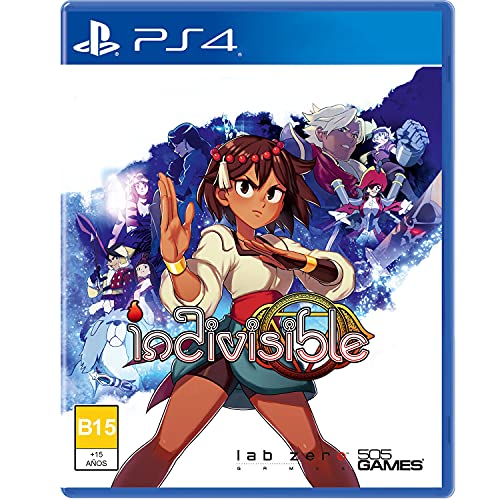
| Platform | PlayStation 4 |
| Genre | Action RPG / Metroidvania |
| Publisher | 505 Games |
| Initial Price | $17.00 |
| Notable Features | 2D hand-drawn animation; soundtrack by Hiroki Kikuta; globe-spanning quest; Southeast Asian and world mythology-inspired story |
You’ve probably rolled your eyes at metroidvania games that feel like they’re spinning their wheels between boss fights. Indivisible drops you into Ajna’s world with a single, punchy moment: a door crackling with color as you unlock a new path with a quick dash, and suddenly the map opens up in welcome, not overwhelming.
That moment sets the tone for how this plays off the artful, hand-drawn visuals you’ll notice in every corner.
Physically, the PS4 disc feels substantial, with a glossy cover that hints at the lush art inside. In your hands, the game runs smoothly enough to keep up with the pace of combat, and the 2D animations still pop with Lab Zero’s signature fluidity.
You’ll find the characters move with a surprising weight, which makes each traversal feel earned rather than just decorative filler.
Combat is where Indivisible shines in practice. You’ll switch between Ajna and a rotating cast of heroes, chaining abilities to open new routes and exploit enemy weaknesses.
The vibe sits nicely between action and RPG, with a rhythm that wants you to learn fight patterns rather than brute-force your way through every encounter.
The narrative draws on mythologies and folklore in a way that’s easy to follow even if you’re not a lore junkie. The world feels globe-spanning without becoming unfocused, and the soundtrack—courtesy of Hiroki Kikuta—lends a warm, adventurous undertone that rarely overpowers the action.
On performance, you’ll notice moments where platforming precision matters, and the game rewards timing and experimentation. If you’re after a fresh spin on the genre with strong art and character moments, Indivisible gives you a solid, engaging ride from start to finish.
Overall, it scratches that metroidvania itch with character-driven storytelling and a distinctive art style. It’s not just about backtracking; you’ll notice new paths opening as you unlock abilities, making each session feel purposeful.
If you’re in the mood for a compact, well-crafted mix of platforming, combat, and story, Indivisible on PS4 won’t disappoint.
What Are the Essential Characteristics of a Metroidvania Game?
Metroidvania games are characterized by specific gameplay and design elements that create a unique and engaging experience.
- Exploration: These games emphasize exploration in a large, interconnected world where players uncover new areas and secrets as they progress. The environments are often designed to encourage backtracking, allowing players to revisit previously inaccessible locations once they acquire new abilities or items.
- Ability Unlocking: A key feature is the gradual unlocking of abilities that allow players to overcome obstacles and access new areas. This mechanic creates a sense of progression and rewards players for exploring, as they find upgrades that enhance their gameplay experience and open up the world.
- Non-linear Gameplay: Unlike linear games, Metroidvanias offer a more open structure where players can choose their path through the game. This non-linear approach allows for multiple routes and strategies, giving players the freedom to tackle challenges in their own way, which enhances replayability.
- Platforming Elements: Platforming is a significant aspect of gameplay, requiring players to navigate through various terrains using precision jumps and maneuvers. The combination of combat and platforming challenges adds depth to the gameplay, making it vital for players to master both skills to progress.
- Story and Atmosphere: Metroidvanias often feature rich narratives and immersive atmospheres, contributing to a captivating experience. The storytelling is typically subtle, conveyed through environmental details and lore, which encourages players to engage with the world and piece together the story as they explore.
- Progressive Difficulty: These games generally feature a gradual increase in difficulty, introducing new enemies and challenges that require players to adapt and improve their skills. This pacing helps maintain player interest and encourages a sense of accomplishment as they overcome tougher obstacles.
How Do Exploration and Backtracking Shape the Metroidvania Experience?
Exploration and backtracking are fundamental pillars of the Metroidvania genre, significantly enhancing player engagement and storytelling.
-
Exploration: This aspect invites players to traverse intricate environments filled with hidden areas, collectibles, and lore. The thrill of uncovering new paths or secrets raises the stakes, making each area feel alive and richly crafted. For instance, in Hollow Knight, expansive maps encourage thorough exploration with their diverse biomes, each offering unique enemies and mechanics.
-
Backtracking: As players acquire new abilities, the need to revisit earlier areas becomes essential. This backtracking is not merely repetitive; it often reveals new paths or unlocks secrets that were previously inaccessible. In Metroid Dread, players can return to earlier zones equipped with new power-ups, altering the dynamics of previously explored locations and adding layers to the gameplay experience.
Together, exploration and backtracking create a rewarding cycle that enriches narrative depth and gameplay, providing players with a sense of accomplishment and discovery as they uncover the world’s mysteries.
Why Is Progression Through Abilities Crucial in These Games?
Progression through abilities is crucial in metroidvania games because it creates a sense of discovery and accomplishment, allowing players to unlock new areas and experiences that were previously inaccessible.
According to a study by B. G. M. N. G. DeNero et al. published in the International Journal of Game-Based Learning, the gradual acquisition of abilities enhances player engagement and motivation, as it promotes exploration and rewards curiosity. This structured progression keeps players invested in the game world, as they feel a tangible sense of growth and achievement as they navigate through challenges.
The underlying mechanism involves a carefully designed balance between challenge and skill development. As players gain new abilities, they can revisit earlier areas to uncover secrets and complete challenges that were previously insurmountable. This not only deepens the gameplay experience but also reinforces a narrative of growth, as players reflect on how far they have come. Furthermore, this progression system encourages players to experiment with their abilities, fostering creativity and problem-solving skills as they devise strategies to overcome obstacles within the game world.
Which Are the Best Metroidvania Games Available on PlayStation?
Some of the best Metroidvania games available on PlayStation include:
- Hollow Knight: This critically acclaimed game features a beautifully hand-drawn world filled with challenging enemies and intricate platforming.
- Bloodstained: Ritual of the Night: A spiritual successor to the Castlevania series, this game combines modern design with classic gameplay elements to create a rich exploration experience.
- Ori and the Will of the Wisps: Known for its stunning visuals and emotional storytelling, this game builds on the mechanics of its predecessor while introducing new abilities and a larger world to explore.
- Axiom Verge: An homage to retro games, Axiom Verge offers a unique sci-fi setting and innovative weapon mechanics that encourage creative exploration and problem-solving.
- Grime: This unique Metroidvania blends action and RPG elements, featuring a surreal world where players can consume enemies to gain their abilities, making for a distinctive gameplay experience.
Hollow Knight: This critically acclaimed game features a beautifully hand-drawn world filled with challenging enemies and intricate platforming. Players explore the vast underground kingdom of Hallownest, uncovering secrets and engaging in intense boss battles while developing their character through various upgrades and abilities.
Bloodstained: Ritual of the Night: A spiritual successor to the Castlevania series, this game combines modern design with classic gameplay elements to create a rich exploration experience. Players traverse a massive castle filled with diverse environments, defeating enemies and collecting a wide array of weapons and magical abilities to customize their playstyle.
Ori and the Will of the Wisps: Known for its stunning visuals and emotional storytelling, this game builds on the mechanics of its predecessor while introducing new abilities and a larger world to explore. The game emphasizes fluid movement and intricate puzzles, enhancing the feeling of being immersed in a beautifully crafted storybook environment.
Axiom Verge: An homage to retro games, Axiom Verge offers a unique sci-fi setting and innovative weapon mechanics that encourage creative exploration and problem-solving. Players can manipulate the environment and utilize various tools as they uncover the mysteries of a long-abandoned alien world, making for a captivating experience.
Grime: This unique Metroidvania blends action and RPG elements, featuring a surreal world where players can consume enemies to gain their abilities, making for a distinctive gameplay experience. The game’s art style and fast-paced combat create an engaging atmosphere, while its narrative invites players to explore deeper themes of identity and transformation.
What Unique Features Does “Hollow Knight” Provide to Players?
“Hollow Knight” offers several unique features that enhance its gameplay and storytelling experience.
- Intricate World Design: The game features a vast interconnected world known as Hallownest, filled with diverse environments that encourage exploration. Each area has its own aesthetic and set of challenges, creating a rich tapestry that rewards players for thorough exploration and backtracking.
- Challenging Combat System: Combat in “Hollow Knight” is designed to be both challenging and rewarding, with a focus on precision and timing. Players can utilize a variety of abilities and charms to customize their fighting style, making encounters with enemies and bosses engaging and dynamic.
- Deep Lore and Storytelling: The game unfolds its narrative through environmental storytelling, subtle dialogue, and item descriptions, allowing players to piece together the history of Hallownest. This approach encourages players to immerse themselves in the lore, creating a sense of mystery and depth that draws them into the world.
- Unique Art Style: “Hollow Knight” features a hand-drawn art style characterized by beautifully animated characters and environments. The game’s aesthetic is both charming and haunting, contributing to its overall atmosphere and emotional impact.
- Metroidvania Elements: As a quintessential Metroidvania, “Hollow Knight” incorporates exploration, power-ups, and ability-based progression. Players gain new abilities that allow them to access previously unreachable areas, fostering a sense of growth and discovery throughout the game.
- Customization Options: The game includes a charm system that allows players to equip various charms that alter gameplay mechanics. This feature encourages experimentation and personalization, enabling players to tailor their abilities to suit their playstyle and the challenges they face.
- Atmospheric Soundtrack: The soundtrack enhances the emotional experience of the game, featuring a mix of haunting melodies and dynamic tracks that respond to gameplay. This audio design deepens immersion, complementing the visual beauty of the game and the tension of combat encounters.
How Does “Castlevania: Symphony of the Night” Continue to Influence the Genre?
“Castlevania: Symphony of the Night” has left a significant mark on the Metroidvania genre since its release in 1997. Its pioneering gameplay elements continue to shape modern titles. Here are key aspects of its influence:
-
Exploration and Backtracking: The game introduced a vast, interconnected castle that encourages players to explore every nook and cranny. This approach set the standard for exploration in future Metroidvania games, making backtracking a rewarding experience.
-
RPG Elements: “Symphony of the Night” effectively blended platforming with role-playing game (RPG) mechanics. Players could level up, acquire new abilities, and personalize character stats. This fusion has become a hallmark of the genre, inspiring games like “Hollow Knight” and “Axiom Verge.”
-
Atmospheric Design: Its detailed pixel art and atmospheric music contributed to a memorable world. Many subsequent games have emulated this level of artistic depth and environmental storytelling.
-
Non-linear Gameplay: The option for players to tackle areas in varying orders encouraged exploration and creativity. This design philosophy has been mirrored in numerous Metroidvania titles, enhancing replayability.
Through these innovations, “Castlevania: Symphony of the Night” established a template that continues to resonate within the genre, influencing both game design and player expectations.
What Innovative Elements Can Players Discover in “Axiom Verge”?
In “Axiom Verge,” players can discover several innovative elements that enhance gameplay and storytelling.
- Reverse Engineering Mechanics: Players can hack and manipulate environments and enemies, allowing for unique interactions and solutions to puzzles. This mechanic encourages exploration and experimentation, as players can uncover hidden paths and secrets by altering the game world.
- Glitches as Gameplay Features: The game incorporates intentional glitches that create new gameplay possibilities, such as phasing through walls or accessing areas that would typically be unreachable. This not only adds a layer of complexity but also pays homage to classic gaming errors, transforming them into tools for progression.
- Non-linear Exploration: “Axiom Verge” offers a vast interconnected world where players can choose their paths and revisit earlier areas with new abilities. This design encourages players to think critically about their surroundings and emphasizes the discovery aspect of the metroidvania genre.
- Unique Weapons and Tools: The game features a variety of weapons and tools that can be upgraded or modified, each with distinct effects and uses. Players can experiment with different combinations to find strategies that suit their playstyle, enhancing the overall gameplay experience.
- Rich Lore and Storytelling: The narrative unfolds through environmental storytelling, item descriptions, and interactions rather than traditional cutscenes. This method allows players to piece together the story at their own pace, making the experience more immersive and engaging.
Why Are These Metroidvania Titles Particularly Suitable for PlayStation Users?
These Metroidvania titles are particularly suitable for PlayStation users due to the console’s powerful hardware capabilities, extensive library of indie games, and a strong community of gamers who appreciate the genre’s intricate level designs and exploration-based gameplay.
According to a study by the Entertainment Software Association, PlayStation users tend to engage more with indie games compared to other platforms, as they appreciate unique narratives and artistic styles that Metroidvania titles often provide. Games like “Hollow Knight” and “Celeste” have found significant success on the PlayStation platform, partly due to the console’s accessibility and user-friendly interface, which encourages players to explore diverse gaming experiences.
The underlying mechanism behind this suitability lies in the PlayStation’s dual emphasis on both single-player experiences and community engagement. The console’s ecosystem supports a variety of features, such as online sharing and streaming, which allow players to showcase their gameplay and connect with others who share similar interests in the Metroidvania genre. This fosters a supportive environment for developers to create innovative titles, knowing they have a receptive audience that values exploration and storytelling, key elements of Metroidvania games. Furthermore, PlayStation’s robust digital storefront gives indie developers a platform to reach a broad audience, contributing to the genre’s flourishing presence on the console.
What Do Players Think About the Best Metroidvania Titles on PlayStation?
Players have expressed their thoughts on several standout Metroidvania titles available on PlayStation, highlighting their unique characteristics and gameplay experiences.
- Hollow Knight: This critically acclaimed title is praised for its beautiful hand-drawn art style and deep lore. Players appreciate the challenging gameplay, intricate world design, and the vast array of abilities that allow for exploration and combat, making each encounter feel rewarding.
- Celeste: While primarily a platformer, Celeste incorporates Metroidvania elements that players love, such as character upgrades and exploration. The game is celebrated for its emotional storytelling, tight controls, and the ability to tackle levels in a non-linear fashion, giving players a sense of accomplishment as they uncover secrets.
- Castlevania: Symphony of the Night: A classic that set the standard for the genre, players fondly remember its captivating gameplay and memorable soundtrack. The ability to explore a vast castle filled with hidden rooms, powerful enemies, and RPG elements makes it a beloved title among Metroidvania enthusiasts.
- Ori and the Blind Forest: Known for its stunning visuals and heartfelt narrative, players are captivated by the lush environments and fluid platforming mechanics. The game combines emotional storytelling with challenging gameplay, encouraging players to explore and master its beautifully crafted world.
- Axiom Verge: This indie title has garnered a following for its retro-inspired graphics and unique weapons. Players enjoy the sci-fi themes and the sense of discovery as they uncover secrets and unlock new abilities, reminiscent of classic Metroid games.
- Bloodstained: Ritual of the Night: As a spiritual successor to Castlevania, players appreciate its nostalgic elements combined with modern gameplay mechanics. The game features a rich variety of characters and abilities, allowing for extensive exploration and customization, which keeps players engaged.