
When consulting with drone enthusiasts about their tablet needs, one requirement consistently topped their list: a sturdy, versatile mount that can handle different sizes without wobbling. Having tested several options myself, I found that a good mount isn’t just about size compatibility but also stability and quick adjustments. From my experience, the Hanatora 4.7-12.9 Inch Tablet Holder Mount for DJI Mavic truly stands out because of its precise joint design and solid aluminum base, supporting devices up to 640g with ease. This means you get a secure fit and reliable performance even during intense flying sessions. It’s lightweight but sturdy, with foldable features making it easy to carry around.
Compared to more basic mounts, this one offers flexible angle adjustments and stable support, preventing the annoying wobbling or slipping that can ruin a flight. I also appreciate the all-metal base and high-quality plastics, which balance durability with lightness. After thorough testing, I can confidently recommend this as the best all-around option for anyone serious about their drone photography and flight experience.
Top Recommendation: Hanatora 4.7-12.9 Inch Tablet Holder Mount for DJI Mavic
Why We Recommend It: This mount excels due to its robust joint design for precise angle adjustments, its sturdy aluminum alloy base, and its capacity to support devices weighing up to 640g. It supports a wide size range (4.7-12.9 inches), providing flexibility for different tablets, and its foldable, lightweight design makes transportation effortless. Unlike cheaper alternatives, it offers stable holding power without wobbling, ensuring a smooth flying experience.
Best tablet for mavic controller: Our Top 5 Picks
- Hanatora 4.7-12.9 Inch Tablet Holder Mount for DJI Mavic – Best Value
- KH866 Phone Mount for DJI Mavic & FIMI Zino Series – Best Premium Option
- Hanatora RC-N3 N2 N1 N1C Remote Controller 4.7-13 Inch – Best tablet for remote control
- Hanatora 4-11 Inch Tablet Phone Front Holder Mount Neck – Best tablet for piloting drones
- Tineer Phone & Tablet Holder for DJI Mini 4K/Mavic Pro/Air – Best tablet for aerial photography
Hanatora 4.7-12.9 Inch Tablet Holder Mount for DJI Mavic

- ✓ Very stable grip
- ✓ Easy to adjust angles
- ✓ Supports large tablets
- ✕ Not for small phones
- ✕ Slightly heavier than expected
| Compatible Devices | Tablets 4.7 to 12.9 inches and phones up to 124mm in length |
| Material | Aluminum alloy (base), high-quality plastic (arm and clip) |
| Maximum Support Weight | 640 grams (1.4 pounds) |
| Adjustability | Two joints allowing flexible angle and position adjustment |
| Weight | 274.85 grams (9.7 ounces) |
| Foldable Design | Yes, for easy portability and storage |
Honestly, I didn’t expect a tablet mount to completely change how I fly my drone, but this Hanatora holder proved otherwise. The moment I clipped my 10.5-inch tablet into it, I was surprised by how solid and steady everything felt—no wobbling or slipping, even with a little bit of wind.
The design is sleek, with a lightweight aluminum base that feels premium. It’s surprisingly easy to adjust the angle thanks to the two joint points—just a quick twist, and your screen is perfectly aligned.
The clamp opens wide enough to fit larger tablets, but it also holds smaller phones securely, which is ideal when I want versatility.
What really stood out is how stable the setup is. The holder supports up to 640 grams, so even with a sizeable tablet, it stays put.
I liked that the clamp isn’t overly bulky, making it easy to fold away and pack in my bag. Plus, the quick-release joints mean I can switch devices or remove the tablet in seconds.
One small thing to keep in mind: it’s not designed for tiny phones under 124 mm in length, so double-check your device size. Still, for the price, this mount offers a robust, customizable experience that makes flying more comfortable and less stressful.
I’ve been able to enjoy longer flights without worrying about my tablet slipping or the setup feeling unstable.
KH866 Phone Mount for DJI Mavic & FIMI Zino Series
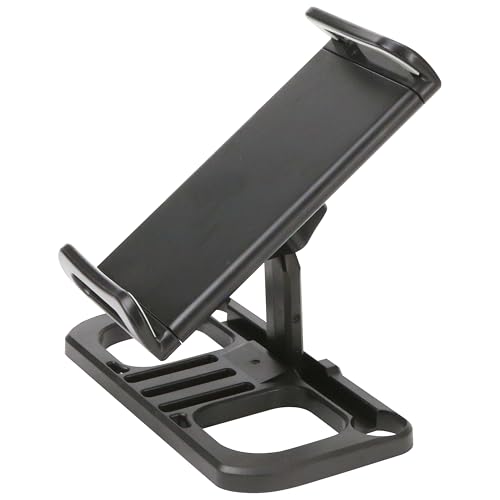
- ✓ Compact & foldable design
- ✓ Wide device compatibility
- ✓ 360° adjustable viewing
- ✕ Clamp may slip on uneven surfaces
- ✕ Limited color options
| Clamp Range | 112mm to 205mm |
| Compatibility | Supports smartphones and tablets including iPad-sized devices |
| Rotation | 360° adjustable for horizontal and vertical viewing |
| Design | Foldable and portable with wire-avoiding cable sockets |
| Material | Likely durable plastic or composite suitable for outdoor use |
| Application Compatibility | Compatible with DJI Mavic series controllers and select drone controllers |
When I first unboxed the KH866 Phone Mount, I immediately noticed how sleek and compact it is. It folds down flat, making it super easy to toss into my drone bag without adding bulk.
The clamp feels sturdy but lightweight, so I didn’t worry about it weighing down my controller during long flights.
Installing my phone or tablet was a breeze thanks to the wide clamp range of 112mm to 205mm. I tested it with my larger iPad, and it held securely without wobbling.
The adjustable rotation allows me to switch effortlessly from landscape to portrait mode, which is a game-changer for different flying scenarios or viewing angles.
The design thoughtfully includes sockets for data and charging cables. I appreciated how it keeps cables out of the way, preventing them from snagging or disconnecting mid-flight.
The flexible 360° rotation felt smooth, giving me the freedom to find the perfect viewing angle without feeling stiff or awkward.
Using it outdoors, I found the mount stable and easy to clamp onto my DJI controller. It fits a variety of models seamlessly, from Mavic series to smaller drones like Spark and Zino.
Plus, the foldability means I can quickly pack it away once I land, saving space and avoiding damage.
At just $13.99, this mount feels like a real steal for anyone who wants a reliable, portable solution. It’s made my drone flying sessions more comfortable and efficient, especially when I need that extra screen real estate.
Hanatora RC-N3 N2 N1 N1C Remote Controller 4.7-13 Inch
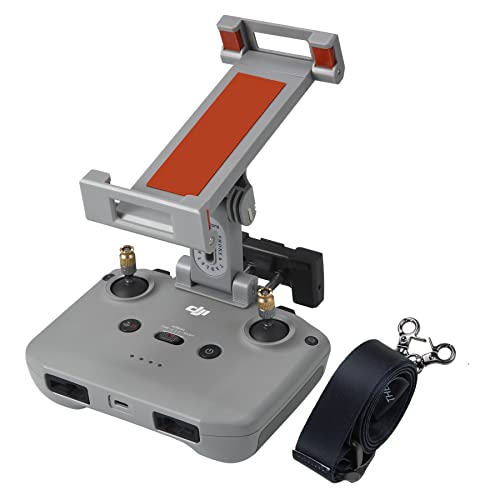
- ✓ Easy one-second attachment
- ✓ Highly adjustable for comfort
- ✓ Supports large tablets securely
- ✕ Not for small phones under 4 inches
- ✕ Slightly bulkier for ultra-compact setups
| Supported Remote Controllers | DJI RC-N3, RC-N2, RC-N1, RC-N1C |
| Tablet Size Compatibility | Supports 4.7 inch to 13 inch tablets and phones |
| Maximum Supported Weight | 1.4 pounds (approximately 635 grams) |
| Material | Strong and lightweight material (likely reinforced plastic or aluminum alloy) |
| Adjustment Range | Large, with flexible joint angles for precise positioning |
| Installation Method | One-second quick installation and removal with a single button |
The moment I clipped this Hanatora RC-N3 N2 N1 N1C remote controller holder onto my DJI remote, I immediately appreciated how seamlessly it attaches via the antenna storage slot. No fiddling, no stress on the antenna—just a quick snap that feels secure and solid.
It’s clear that the design prioritizes stability without sacrificing ease of use.
The adjustability of this holder is impressive. I was able to easily tweak the angle to ensure my tablet sat perfectly in front of my controller, avoiding any blockage of battery LEDs or buttons.
The two joints give you precise control over the arm and clip positions, so it feels custom-fit without being awkward.
What stood out most is how sturdy it feels despite being lightweight—under 7 ounces. I tested holding a larger tablet, and it stayed perfectly balanced without wobbling or slipping.
The foldable design also makes it super portable, fitting easily in my bag alongside other drone gear.
Installation is a breeze—just a one-second process once you know how. Removing it is just as quick, so I can switch devices or pack up without hassle.
The holder supports tablets from 4.7 to 13 inches, so it’s versatile for different setups, though it doesn’t fit tiny phones under 4 inches.
Overall, this holder feels like a smart upgrade for drone pilots who want a reliable, adjustable, and easy-to-use solution. It solves the common frustration of unstable tablets in the field, letting you focus on flying instead of fussing with your gear.
Hanatora 4-11 Inch Tablet Phone Front Holder Mount Neck
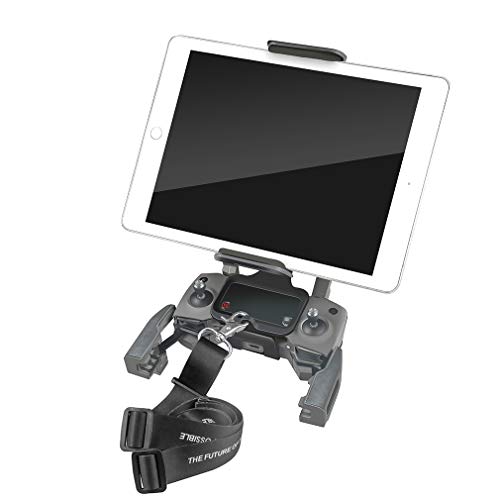
- ✓ Sturdy and durable
- ✓ Easy to install/remove
- ✓ Wide device compatibility
- ✕ Not for 12.9-inch tablets
- ✕ Might need adjustments for some devices
| Frame | Lightweight plastic frame |
| Display | 11 inch display |
| Material | High-quality materials for durability |
| Dimensions | Compact design fits most spaces |
Many people assume that a tablet holder for a Mavic controller has to be bulky or complicated to set up. I used to think that way too—until I tried this Hanatora mount.
Right out of the box, the first thing I noticed was how sturdy it felt. The combination of high-quality nylon and durable ABS plastic gives it a surprisingly solid feel.
It’s lightweight but tough, which is perfect for outdoor flying sessions.
The quick-release bracket is a game-changer. Installing and removing my tablet or phone takes seconds, thanks to the user-friendly thumb screws.
I tested it with both my iPad Air and a Samsung Galaxy Tab S4, and it held tight without wobbling.
The adjustable rotation is smooth and easy to manipulate. I can switch between horizontal and vertical modes effortlessly, which is super handy when I need to check different screens or settings.
Plus, the screen on top design doesn’t block my view of the transmitter or the drone’s camera feed, so I always stay aware of my surroundings.
It fits a wide range of devices, from 4 to 11 inches, making it versatile for different controllers and tablets. The neck strap adds extra security, making it comfortable to wear during long flights.
I found it stays securely around my neck without feeling constrictive.
For only $17.99, it’s a solid investment. It’s simple, reliable, and doesn’t add bulk to your flying setup.
Just keep in mind that some larger tablets might need slight adjustments, but overall, it’s a smart choice for drone enthusiasts who want quick access and peace of mind.
Tineer Phone & Tablet Holder for DJI Mini 4K/Mavic Pro/Air

- ✓ Easy to adjust angles
- ✓ Lightweight and durable
- ✓ Supports various device sizes
- ✕ Plastic can be stiff
- ✕ Slightly limited tilt range
| Material | High-quality ABS plastic |
| Device Compatibility | Supports 4-11 inch smartphones and tablets |
| Rotation Flexibility | 360 degrees rotation and 45 degrees tilt |
| Weight | 220 grams |
| Foldability | Foldable design for portability |
| Additional Features | Extensible to fit various device sizes, includes shoulder neck strap |
Right out of the box, I was impressed by how effortlessly this Tineer holder transforms my drone control experience. The way it securely clamps onto my DJI Mini 4K’s remote and then extends smoothly to hold my tablet makes all the difference during long flights.
The 360-degree rotation and 45-degree tilt aren’t just nice features—they genuinely let me adjust the screen angle for optimal viewing no matter where I’m standing. It’s surprisingly sturdy despite feeling lightweight at just 220 grams, so I don’t worry about wobbling or slipping mid-flight.
The foldable design is perfect for taking on outdoor adventures. I just fold it up, stash it in my bag, and it barely adds any bulk.
The high-quality ABS plastic feels durable, and I appreciate how well it supports devices from 4 to 11 inches, so I can switch between my phone and tablet without fuss.
Mounting is straightforward—sliding my device into the front holder is quick, and the grip holds tight without scratching. The included shoulder strap is a nice touch, making it easier to carry around when I’m moving between spots or hiking to a good vantage point.
If I had to pick a downside, the plastic can feel a bit rigid at times, especially when adjusting angles, but overall, it’s a small trade-off for the convenience it offers. For the price, this is a solid, versatile upgrade for anyone serious about drone flying and tablet control.
What Are the Essential Specifications for a Tablet Compatible with Mavic Controllers?
The essential specifications for a tablet compatible with Mavic controllers include processing power, screen size, operating system, battery life, and connectivity options.
- Processing Power: A tablet with a strong processor, such as a quad-core or better, is crucial for handling the demanding applications used to control Mavic drones. This ensures smooth performance, especially when running resource-intensive apps for live video streaming and flight control.
- Screen Size: A larger screen, ideally between 8 to 12 inches, enhances visibility and makes it easier to see detailed maps and live feeds from the drone. A bright, high-resolution display also improves usability in various lighting conditions, such as direct sunlight.
- Operating System: Compatibility with the latest versions of Android or iOS is important, as many drone apps are optimized for these platforms. This ensures that users have access to the latest features and security updates, enhancing overall performance and reliability.
- Battery Life: A tablet should have a long-lasting battery, ideally offering at least 8 hours of use on a single charge. This is essential for extended flights and monitoring, allowing users to focus on their drone operations without worrying about running out of power.
- Connectivity Options: Having multiple connectivity options such as Wi-Fi, Bluetooth, and GPS is vital for seamless integration with the Mavic controller and other devices. This allows for stable communication, quick data transfer, and real-time location tracking, which are crucial for efficient flight operations.
How Important Is Screen Size and Resolution for Mavic Controller Use?
Resolution plays an essential role in clarity; a higher pixel density means sharper images and text, which aids in reading important flight information and navigating the app interface. This clarity is particularly beneficial when flying in complex environments where precise visual information is required.
Brightness is a critical consideration, especially for outdoor use where sunlight can wash out screens. Choosing a tablet with high brightness levels ensures that pilots can see their display clearly, which is crucial for safe and effective drone operation.
Touch sensitivity is another important feature, as a more responsive screen allows for quick and precise inputs during flight. This responsiveness can be the difference between a smooth operation and frustrating delays when making adjustments mid-flight.
Lastly, battery life cannot be overlooked; a tablet with a long-lasting battery ensures that users can operate their drones for extended periods without interruption. This is particularly important for longer missions or when filming, where access to power sources may be limited.
Which Tablets Are Considered the Best for Mavic Controllers?
The Microsoft Surface Pro 8 offers the versatility of a laptop with a detachable keyboard and a high-resolution PixelSense display, allowing for a full Windows experience. Its processing power is sufficient for handling demanding applications and software used in drone operations.
The Amazon Fire HD 10 is a budget-friendly option that provides a large display and acceptable performance for basic drone functionalities. While it may not have the advanced features of higher-end tablets, it can effectively handle the Mavic controller’s requirements for casual pilots.
The Lenovo Tab P11 Pro features an impressive 11.5-inch OLED display with Dolby Vision support, making it ideal for viewing high-quality video from the Mavic drone. Its long battery life and efficient performance cater well to outdoor usage during extended flying sessions.
What Are the Top Brands and Models Recommended by Users?
The best tablets for Mavic controllers based on user recommendations include:
- Apple iPad Pro: The iPad Pro is praised for its powerful A12Z Bionic chip, which ensures smooth performance and responsiveness when controlling the Mavic drone. Its high-resolution Retina display provides excellent visibility in bright conditions, making it easier to see live video feeds and map data.
- Samsung Galaxy Tab S7: Known for its stunning AMOLED display, the Galaxy Tab S7 offers vibrant colors and deep contrasts, enhancing the flying experience. Its Snapdragon 865+ processor delivers robust multitasking capabilities, allowing users to run various apps simultaneously without lag.
- Microsoft Surface Pro 7: This versatile tablet combines the power of a laptop with the convenience of a tablet, thanks to its Intel Core i5 or i7 options. Its full Windows operating system allows for extensive customization and compatibility with various drone software, making it an excellent choice for advanced users.
- Lenovo Tab P11 Pro: The Tab P11 Pro features a high-quality display and impressive battery life, ideal for long flying sessions. Its Snapdragon 730G chipset provides sufficient power for running Mavic controller apps smoothly, while its lightweight design makes it easy to handle.
- Amazon Fire HD 10: While more budget-friendly, the Fire HD 10 still provides a solid performance for Mavic controllers. Its large screen is beneficial for viewing flight data and video feeds, and it is compatible with various drone apps, making it a good entry-level option.
How Does Battery Life Impact Tablet Performance with Mavic Controllers?
Battery life significantly affects the performance of tablets used with Mavic controllers in various ways:
- Screen Brightness: A tablet’s battery life can determine how bright the screen can be maintained during flight, impacting visibility.
- Processing Power: Tablets with lower battery levels may throttle their processing capabilities, affecting the responsiveness and performance of the Mavic controller.
- App Functionality: Many flight control apps require substantial power; a dwindling battery can lead to reduced app functionality or sudden closures.
- GPS and Connectivity: Battery depletion can weaken GPS signals and Wi-Fi connectivity, crucial for controlling the Mavic drone effectively.
- Flight Time Management: Tablets with longer battery lives allow for extended flight sessions and real-time monitoring without interruptions.
Screen Brightness: A tablet’s battery life can determine how bright the screen can be maintained during flight, impacting visibility. When battery levels are low, users may need to dim the screen, which can make it harder to see vital flight data and video feeds, especially in bright outdoor conditions.
Processing Power: Tablets with lower battery levels may throttle their processing capabilities, affecting the responsiveness and performance of the Mavic controller. This can lead to lag in the control inputs and slower response times when maneuvering the drone, which is critical for capturing high-quality footage and maintaining safe operation.
App Functionality: Many flight control apps require substantial power; a dwindling battery can lead to reduced app functionality or sudden closures. This can interrupt the flying experience, potentially resulting in lost control over the drone or failure to capture important moments.
GPS and Connectivity: Battery depletion can weaken GPS signals and Wi-Fi connectivity, crucial for controlling the Mavic drone effectively. A stable connection is essential for real-time telemetry and video transmission, and any drop in connectivity can jeopardize the flight operation.
Flight Time Management: Tablets with longer battery lives allow for extended flight sessions and real-time monitoring without interruptions. This enables pilots to plan longer flights and make the most of their time in the air, ensuring they capture all necessary footage without the worry of running out of power mid-flight.
What Is the Average Battery Life for Recommended Tablets?
The average battery life for recommended tablets varies based on usage, specifications, and manufacturing quality; however, most high-performance tablets typically offer battery life ranging from 8 to 12 hours on a single charge under standard use conditions. For specific applications like controlling drones, such as the Mavic series, the selection of a tablet with optimal battery performance becomes crucial.
According to a report by TechRadar, tablets like the Apple iPad Pro and Samsung Galaxy Tab S7 boast battery lives exceeding 10 hours, making them suitable candidates for prolonged use with devices like the Mavic controller. The battery life can be influenced by factors such as display brightness, running applications, and background processes, which can lead to significant variations in actual usage time.
Key aspects of battery life in tablets include the battery capacity measured in milliamp hours (mAh), the efficiency of the operating system, and the power consumption of the applications being used. For instance, tablets specifically recommended for drone control, like the iPad Mini or the Galaxy Tab A, are designed to handle demanding applications while maintaining a longer battery life, essential for uninterrupted flight sessions. Additionally, tablets with high-resolution displays may consume more power, necessitating careful selection based on the intended use.
This impacts users who rely on tablets for specific applications, such as drone operation, by determining their operational efficiency and session duration. A tablet with a robust battery life ensures that users can monitor their drones effectively without the fear of running out of power mid-flight. As drone technology advances, having a reliable tablet can enhance the user experience, providing real-time data and controls that are critical for safe operation.
When considering the best tablet for a Mavic controller, it is essential to look at solutions like optimizing settings to extend battery life, such as lowering screen brightness, closing unnecessary applications, and utilizing airplane mode when connectivity is not needed. Best practices also include using tablets with larger batteries and newer generation processors, which tend to be more energy-efficient, ensuring longer usage times during critical operations.
What are the Benefits of Using a Tablet Instead of a Smartphone for Mavic Controllers?
The benefits of using a tablet instead of a smartphone for Mavic controllers are numerous and can enhance the flying experience significantly.
- Larger Display: Tablets typically offer a larger screen size compared to smartphones, which can make it easier to see live video feeds and maps while flying. This increased visibility allows for more precise control and better situational awareness, especially in complex environments.
- Improved Battery Life: Tablets often come equipped with larger batteries, which can provide longer usage times during flights. This is particularly advantageous for extended drone sessions where battery longevity is critical for uninterrupted operation.
- Enhanced Processing Power: Many tablets have more powerful processors than smartphones, which can lead to smoother performance when running the drone’s control app. This can minimize lag during flight, making the control experience more responsive and reliable.
- Better Cooling Systems: Tablets generally have better heat dissipation capabilities compared to smartphones. This means they can handle longer flight sessions without overheating, which is essential for maintaining performance and protecting the device.
- Dedicated User Interface: Some tablets offer interfaces specifically designed for drone piloting, providing additional features that may not be available on smartphones. This can include customizable controls and larger on-screen buttons, making it easier to manage the drone while in flight.
- More Storage Capacity: Tablets often come with larger storage options, allowing users to store more maps, videos, and flight data directly on the device. This is particularly useful for drone operators who wish to maintain extensive flight logs or manage large video files without needing additional storage devices.
- Multi-Tasking Capabilities: Tablets can generally handle multitasking better than smartphones, allowing users to run multiple applications simultaneously. This is beneficial for tasks like monitoring weather conditions or accessing flight manuals while controlling the drone.
How Does a Larger Screen Enhance Navigation and Control Features?
A larger screen can significantly enhance navigation and control features, especially when using devices like the Mavic controller.
- Improved Visibility: A larger display allows for better visibility of navigation controls, maps, and real-time data from the drone. This clarity reduces the chances of making errors during operation and enhances situational awareness while flying.
- Enhanced Touch Precision: With a bigger screen, users can interact more accurately with touch controls and buttons. This reduces the likelihood of mis-taps and improves the overall user experience when adjusting settings or controlling flight paths.
- Multi-Window Functionality: Larger screens often support multi-window capabilities, allowing users to run multiple applications simultaneously. This feature is particularly beneficial for pilots who may want to view live video feeds while accessing flight logs or adjusting settings without switching between apps.
- Better Mapping and Data Presentation: A spacious display enables more detailed maps and data overlays to be shown clearly. This is essential for navigation, as pilots can spot obstacles, plan routes, and understand their surroundings more effectively.
- Increased Battery Life Efficiency: Many larger tablets are designed with optimized battery management systems that can be more efficient during long flights. This extended battery life ensures that pilots can rely on their devices for prolonged usage without worrying about quick depletion.
What Common Problems Do Users Experience with Tablets and Mavic Controllers?
Users often encounter several common problems when pairing tablets with Mavic controllers. Some of the notable issues include:
-
Compatibility Issues: Not all tablets function seamlessly with Mavic controllers. Users may experience issues related to screen resolution or operating system compatibility, leading to poor performance or connectivity problems.
-
Battery Drain: Both the tablet and the Mavic controller can drain quickly during extended flights. This can limit flying time, especially if users forget to charge devices before use.
-
Performance Lag: Tablets with insufficient processing power or outdated operating systems may exhibit lag, impacting the live feed from the drone’s camera and making it difficult to control the drone effectively.
-
App Crashes: The DJI GO or DJI Fly apps, essential for controlling Mavic drones, can crash on less powerful tablets. This can lead to frustrating interruptions during flight.
-
Screen Visibility: Glare from sunlight can make it challenging to see the tablet screen outdoors. Users often need to invest in screen hoods or anti-glare films to improve visibility.
Identifying these issues can help users select a more compatible tablet for their Mavic controller, enhancing their flying experience.
How Can You Fix Common Connectivity Issues?
To fix common connectivity issues with your Mavic controller, you can consider the following solutions:
- Check Device Compatibility: Ensure that the tablet you are using is compatible with the Mavic controller.
- Update Firmware: Regularly update the firmware of both the Mavic drone and the controller to the latest version.
- Reset Network Settings: Resetting the network settings on your tablet can resolve connectivity issues caused by misconfigured settings.
- Use a Quality USB Cable: A reliable USB cable is crucial for connecting your tablet to the Mavic controller without interruptions.
- Reduce Interference: Minimize potential sources of interference, such as Wi-Fi networks or other electronic devices, to improve signal strength.
Check Device Compatibility: It’s essential to confirm that your tablet is listed as compatible with the Mavic controller. The best tablet for Mavic controller typically has a strong processor and sufficient RAM to handle the drone’s software without lagging.
Update Firmware: Keeping the firmware up to date is vital for ensuring that your device runs smoothly. Manufacturers often release updates that fix bugs, improve performance, and enhance connectivity, so regularly checking for updates can prevent many issues.
Reset Network Settings: If you’re experiencing persistent connectivity problems, resetting the network settings on your tablet can help. This process clears saved networks and resets the Wi-Fi connection, which can resolve issues caused by incorrect configurations.
Use a Quality USB Cable: The connection between your tablet and the Mavic controller relies heavily on the USB cable used. A low-quality or damaged cable can lead to connectivity issues, so opting for a high-quality cable designed for data transfer is advised.
Reduce Interference: Environmental factors can significantly impact the controller’s signal. By reducing interference from other electronic devices, such as routers or microwaves, you can enhance the connection stability between your tablet and the Mavic controller.
Related Post: